




















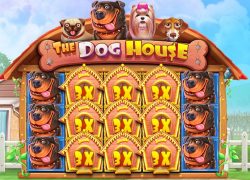















Raging Bull Casino as a Product Environment
Platform Structure Instead of Promotion
Raging Bull Casino is better understood as a structured product rather than a promotional surface. The platform does not rely on aggressive messaging or artificial urgency. Instead, it operates through a defined system where access, navigation, and gameplay are separated into clear layers.
This distinction matters because it determines how a user interacts with the environment. A platform that is built as a system allows the user to move predictably between sections, understand rules without friction, and maintain continuity across sessions.
The experience is not driven by claims. It is driven by structure.
Access Layer and Entry Logic
The entry process defines the first contact with the system. Registration, login, and account state are part of what can be described as the session layer. This layer handles identity, device continuity, and access permissions.
It is important to separate this from gameplay.
Logging in does not affect outcomes.
Verification does not influence probability.
Device switching does not change game behavior.
These actions exist purely to maintain account integrity and platform security.
A well-built platform keeps this layer stable and predictable, without introducing unnecessary friction or ambiguity.
Navigation and Product Layer
Once inside the platform, the user interacts with the product layer. This includes lobby structure, game categorization, and feature visibility.
Raging Bull Casino follows a model where navigation is kept relatively direct. Categories are accessible without deep nesting, and core sections remain visible regardless of session length. This reduces cognitive load and allows users to orient themselves quickly.
From a product perspective, this is more important than visual complexity. A visually rich interface without structural clarity leads to confusion. A structured interface reduces the need for explanation.
Game Layer and Outcome Engine
The game layer operates independently from the rest of the platform. This is where RNG-driven logic exists.
Each game outcome is generated as an isolated event. There is no dependency on previous spins, session length, or account status. This is the foundation of how regulated casino systems operate.
RTP represents a long-term return model. It describes expected behavior over a very large number of rounds. It does not predict short sessions.
Volatility defines how outcomes are distributed. Some games produce more frequent smaller events, while others produce less frequent but larger swings.
These are structural characteristics, not performance indicators.
Why This Separation Matters
Many misunderstandings in online gambling come from mixing these layers together. Users often associate account actions, bonuses, or session timing with outcomes.
From a system perspective, these are unrelated.
The platform provides access.
The product layer shapes experience.
The game engine generates outcomes independently.
Understanding this separation removes unnecessary assumptions and allows the platform to be evaluated on its actual structure rather than perceived behavior.
Platform Interpretation
Raging Bull Casino does not need to be evaluated through short-term results. It can be evaluated through consistency.
How stable is navigation.
How clear are the rules.
How transparent is the structure.
When these elements are in place, the platform becomes predictable in the only way that matters — not in outcomes, but in how it behaves as a system.

Bonus Structure as a Rule Layer
Bonus Systems Are Not Outcome Systems
On Raging Bull Casino, bonuses are best understood as a separate rule layer applied to the account, not to the games themselves.
This distinction is critical.
A bonus does not change RNG.
It does not modify RTP.
It does not influence volatility.
It introduces conditions around how balance can be used and how withdrawals are unlocked. This is a structural overlay, not a mathematical adjustment.
From a product perspective, bonuses act as a controlled environment within the wallet. They define how funds transition from restricted to withdrawable states.
Wagering as a Release Mechanism
Wagering is often misinterpreted as a task or progression system. In reality, it functions as a release gate.
When bonus funds are issued, they are not immediately part of the withdrawable balance. They remain in a conditional state until a defined volume of eligible bets has been reached.
This volume is measured, not “completed”.
Each bet contributes to the wagering counter based on predefined rules. These rules can vary by game category, which is why clarity in bonus conditions is essential.
Bonus Types Within the Platform
Raging Bull Casino uses several common bonus structures. These are not unique in design, but their interpretation depends on how clearly they are presented.
No deposit bonuses introduce restricted funds without requiring an initial payment.
Deposit bonuses match or extend user funds under wagering conditions.
Free spins provide access to game rounds with defined conversion rules.
All of these operate within the same framework: conditional balance → wagering → release.
Bonus Structure Overview
Bonus Interpretation
A bonus should never be evaluated as an advantage in outcome generation. It is a constraint system.
It defines how funds behave.
It defines when funds become withdrawable.
It defines what activity is required for release.
Nothing in this structure changes the probability model of the games themselves.
Product Perspective
From an operator standpoint, a well-designed bonus system is one that is transparent, predictable, and consistent.
The goal is not to create complexity. The goal is to define rules clearly enough that the user does not need to interpret them.
When that is achieved, the bonus layer becomes understandable rather than confusing.

Game Structure, Session Rhythm and Variance Reading
Category Structure Matters More Than Volume
A casino platform is not defined by how many games it lists. It is defined by how clearly those games can be read as different product types.
Slots, table games, live environments, and instant-play formats do not create the same type of session. They differ in pacing, information density, volatility profile, and user expectation. When those differences are not framed properly, the lobby becomes visually large but analytically weak.
At Raging Bull Casino, the useful question is not how broad the catalogue looks at first glance. The useful question is whether the user can understand the character of each category before entering it.
That is where product structure becomes meaningful.
Session Rhythm Is a Product Variable
Not every game produces the same rhythm of interaction. Some categories create fast repetition and low decision friction. Others slow the session down through table logic, dealer flow, or waiting states.
This difference matters because it affects how users interpret short sessions.
A high-tempo slot session can create a dense sequence of outcomes in a relatively short period of time. A live table session, by contrast, may produce fewer result events over the same duration. This changes emotional perception, but not the mathematical logic of the system.
Tempo is not RTP.
Tempo is not volatility.
Tempo is an interaction pattern.
That distinction helps explain why two sessions of equal duration may feel completely different even when both remain within normal system behavior.
Volatility and Readability
Volatility is most useful when treated as a readability tool rather than a selling point. It helps explain how value is distributed across play.
Lower-volatility structures tend to produce more frequent smaller events. Higher-volatility structures may create longer quiet stretches followed by larger swings. Neither model is inherently superior. They simply create different patterns of exposure.
From an editorial perspective, the goal is to help the user interpret those patterns correctly. Short sessions are often dominated by visible variance. That means players may draw conclusions too early, especially in categories with faster outcome pacing.
This is why product clarity matters more than category count.
Session Rhythm vs Variance Exposure
Reading the Model Correctly
This graph is not a return model and it is not a performance claim. It is a qualitative reading tool. It shows how session tempo affects the number of visible result events in a short time window, which in turn affects perception.
A faster category can create stronger emotional interpretation because more outcomes are seen within a narrow interval. That does not mean the system is more predictable. It simply means the user is exposed to more visible result points.
This is one of the reasons why category framing is important in a serious casino environment.
Category Reading Model
Operational Clarity, Payments and Trust Layer
Platform Trust Is Built Through Systems, Not Claims
Raging Bull Casino should not be evaluated through slogans or short-term impressions. Trust, in a real product sense, is built through consistency of systems. This includes how payments are processed, how rules are presented, and how support behaves under normal and edge conditions.
A stable platform does not need to signal trust aggressively. It demonstrates it through predictable behavior.
Clear payment flows.
Consistent processing logic.
Accessible support channels.
These elements define operational quality far more than promotional messaging.
Payments as a Functional Layer
Payments are often treated as a simple entry and exit mechanism. In practice, they are one of the most sensitive parts of the system.
Deposit flow defines accessibility.
Withdrawal flow defines trust.
A well-structured platform ensures that both are clearly separated from game logic. Deposits do not influence outcomes. Withdrawals do not depend on performance patterns. They depend on rule compliance and verification.
This is another area where misunderstanding can occur. Payment systems operate under financial and compliance rules, not probability models.
Verification and Compliance
Verification exists to maintain system integrity. It is not an obstacle by design, but it can feel like one if poorly implemented.
A well-designed verification flow is:
predictable
clearly explained
proportionate to account activity
From a product standpoint, the goal is not speed at any cost. The goal is clarity and consistency.
Operational Structure Overview



















Comments